
Deep Energy Retrofits: Building Science, Retrofit Sequencing, and What 100 Homes Have
Taught Us
Workshop Session

Deep energy retrofits can significantly improve building performance, durability, and energy efficiency, but understanding the building science behind retrofit decisions is essential. In this interactive workshop, participants will explore fundamental building science principles alongside findings from an analysis of 100 residential deep energy retrofits across Canada. Through live polling and “guess the outcome” exercises, attendees will test assumptions about energy loss, building systems, and retrofit impacts, while exploring which strategies consistently deliver the strongest energy and emissions reductions across housing types and climates. Participants will gain practical, evidence-based insights to support informed retrofit decisions, early design, planning, and client discussions.
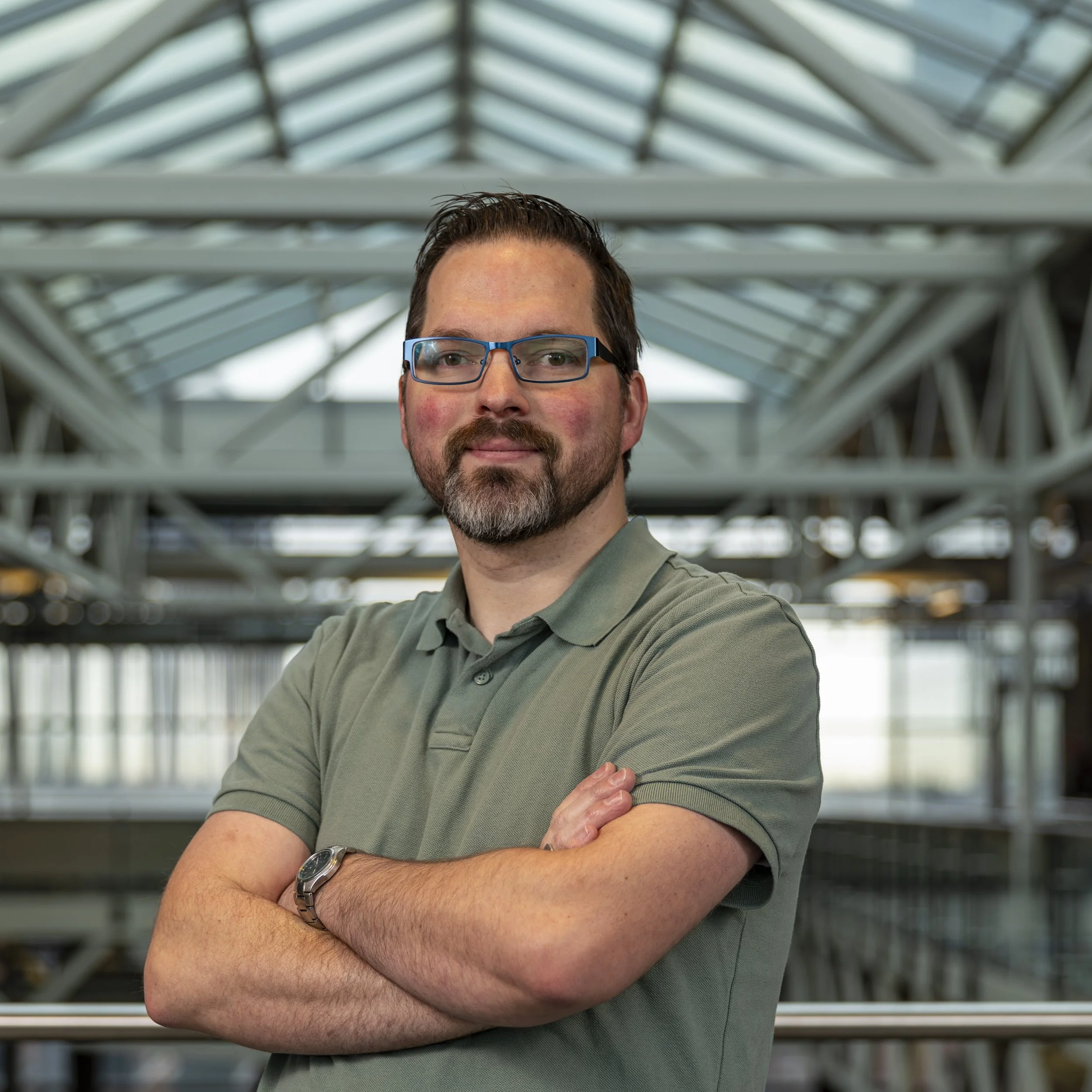
Benjamin Hildebrandt
Ben earned his Architectural Technologies diploma from SAIT in 2013. He specializes in building science and sustainable construction. As a building envelope consultant, Ben has worked extensively as on a variety of residential and commercial remediation and new construction projects across Alberta.
Ben currently oversees building science-focused research at SAIT’s Green Building Technology Access Centre and contributes to curriculum development related to high-performance, sustainable residential building construction and retrofit practices. Ben also serves on the Board of Directors for Retrofit Canada, promoting sustainable retrofitting initiatives.
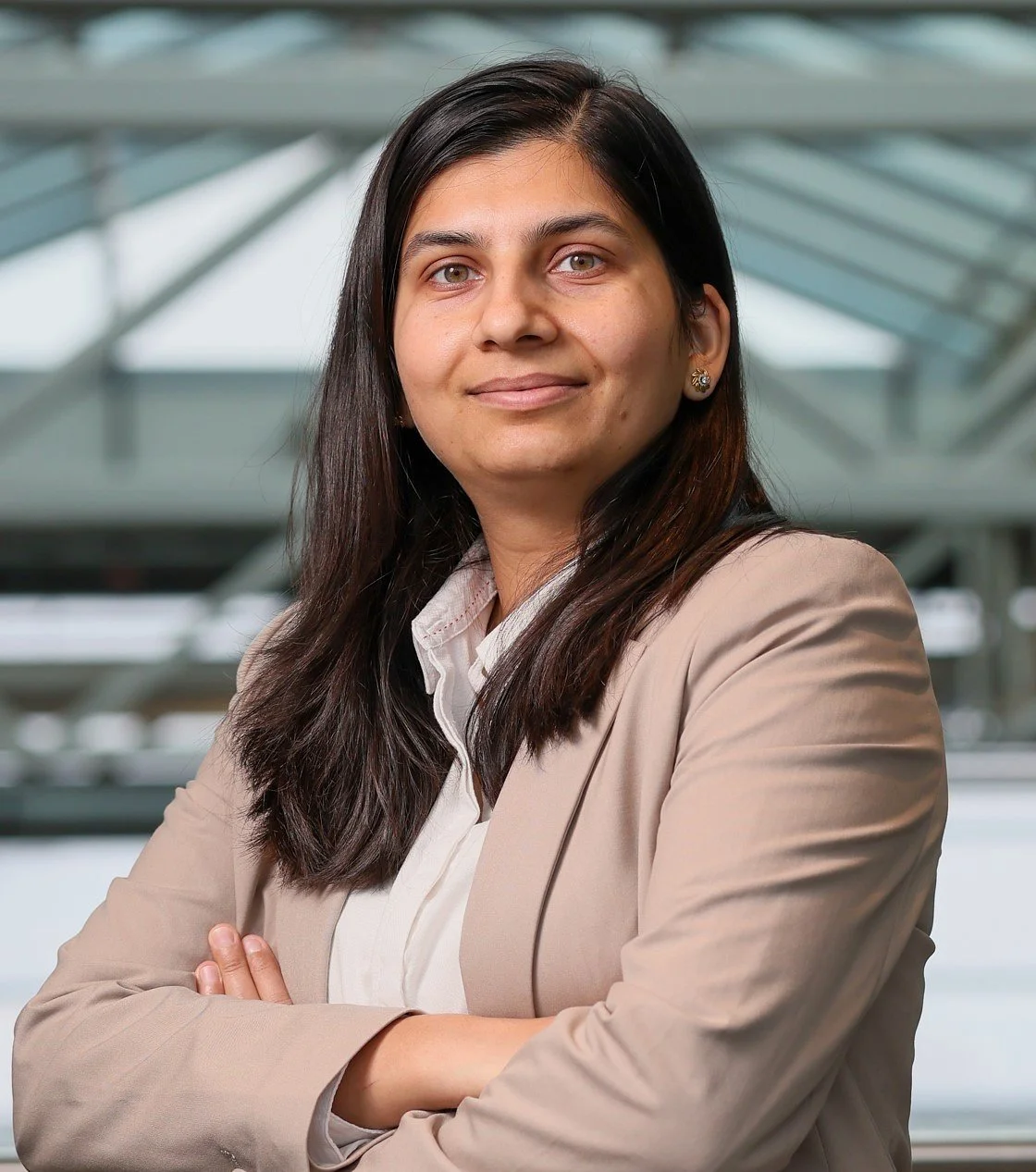
Prachi Yadav
Prachi Yadav is a Research Associate at the Green Building Technology Access Centre (GBTAC) within SAIT’s Applied Research and Innovation Services (ARIS). She holds a Master’s degree in Energy Efficient and Sustainable Architecture and specializes in building performance analysis, energy modeling, and indoor environmental quality.
Driven by a passion for sustainable design, Prachi explores innovative approaches to creating resilient, high-performing buildings. Her interests include the use of natural building materials and passive design strategies to optimize thermal comfort, lower embodied carbon, and enhance occupant health and well-being. Through applied research, she works to connect design strategies with measurable building performance outcomes, helping develop practical solutions that advance sustainability in the built environment.
Rebecca Pinto
Rebecca is a professional engineer and building science expert with a passion for energy-efficiency and living sustainably. Her career has ranged from designing industrial heat exchangers in France, to the Alberta oil sands, and finally to the high-performance building sector. She and her husband recently completed a deep energy retrofit of their 1950s home in Edmonton.
Rebecca has a PhD (MechEng) from Carleton University in Sustainable Building Energy Systems, an MScTech (Energy & Policy) from Ecole des Mines de Paris, and a BSc (ChemEng) from the University of Alberta.