
Building for Resilience: The Value Case for Homes and Communities
8:45am - 9:45am
Keynote Address

What does resilience really cost, and what is the cost of not building for it?
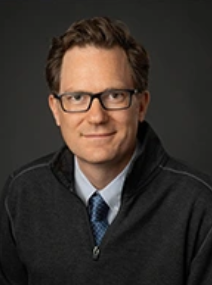
Opening the symposium, Keith Porter, Chief Engineer and Senior Research Fellow, and Dan Sandink, Director of Research, from the Institute for Catastrophic Loss Reduction (ICLR) will explore the growing body of evidence showing that resilient homes and buildings can deliver stronger market performance, lower lifetime costs, and greater protection from hazards including wildfire, hail, flooding, and high winds.
Grounded in research and real-world development challenges, this keynote will examine how resilience intersects with housing affordability, insurance, investment, and long-term community sustainability. As communities across Alberta and the Bow Valley respond to changing risks and realities, the session will provide a compelling foundation for the conversations and solutions that follow throughout the symposium.
Keith Porter
Dr. Keith Porter, PE, PhD, is a professional engineer, Principal of SPA Risk, and Adjunct Professor at the University of Colorado Boulder. His work focuses on helping communities, governments, and organizations better understand and reduce risks from natural hazards and disasters. He led the influential Natural Hazard Mitigation Saves studies, which found that investments in disaster mitigation can avoid up to $13 in losses for every $1 spent, and has contributed to major disaster planning initiatives including ShakeOut, ARkStorm, Tsunami, and HayWired. A Fellow of both the Structural Engineering Institute and the American Society of Civil Engineers, Dr. Porter has authored or co-authored more than 225 scholarly and professional works on natural-hazard risk management. His research has helped shape modern approaches to performance-based engineering, building safety, and community resilience across North America.
Dan Sandink
Dan Sandink is Senior Director, Resilience Programs at the Institute for Catastrophic Loss Reduction. Since joining ICLR, Dan has authored or co-authored more than 50 technical reports and articles on topics related to protecting Canadians and their property from the impacts of extreme rainfall/urban flooding, high wind, wildland-urban interface fire, and hail. Dan’s writing has also focused on public disaster risk perceptions, public adoption of household disaster risk reduction practices, the role of insurance in managing disasters, climate change adaptation and vulnerability assessment, building materials and products designed to mitigate disaster risk at the household level, among many other topics.